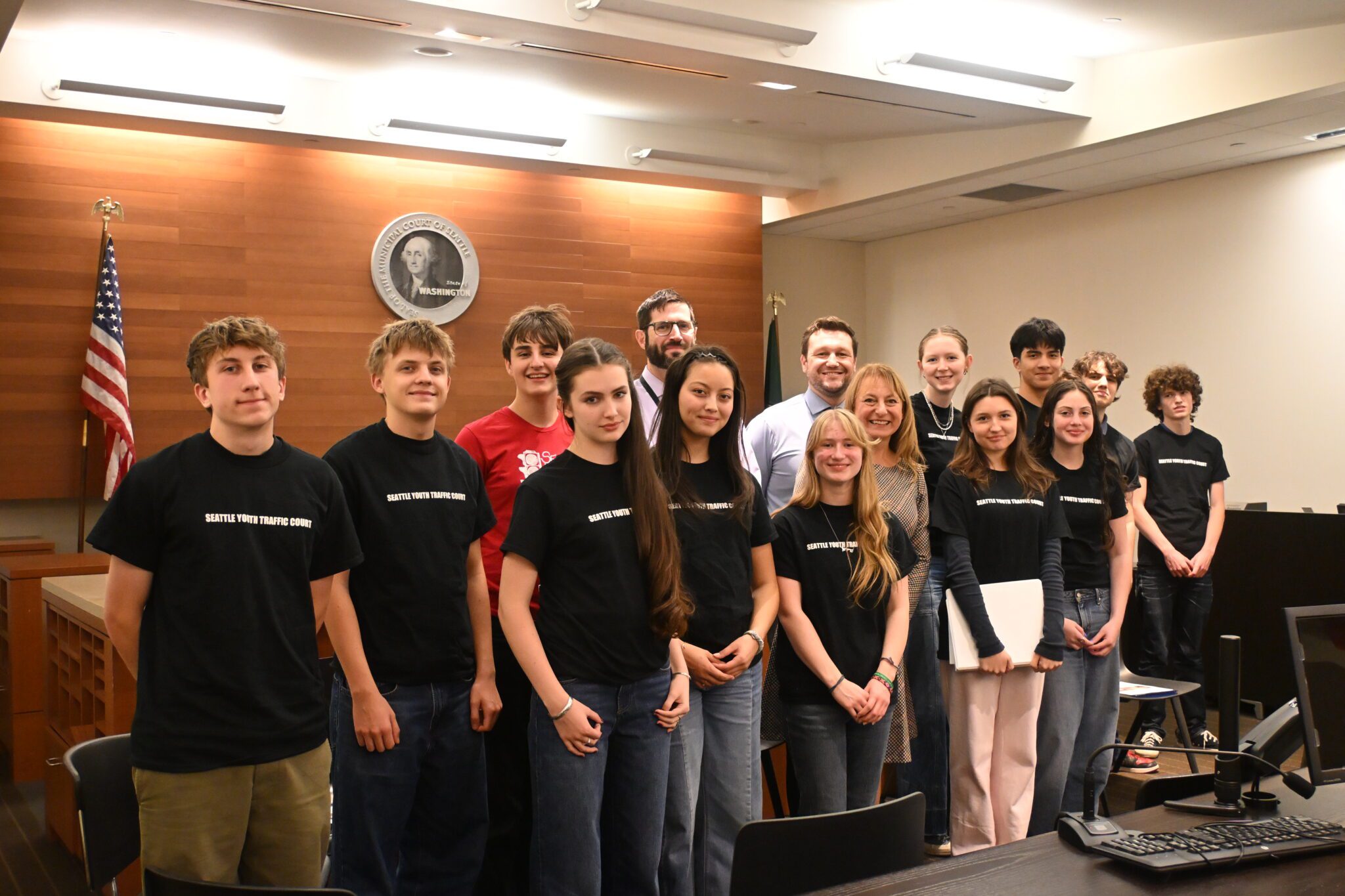
 The 2026-27 cohort of Seattle Youth Traffic Court.
This post is part seven of the “From the Archives” blog series, a 12‑part exploration of how the Seattle Municipal Court’s (SMC) work, people, and spaces have evolved over time. This month, we turn our attention to Seattle Youth Traffic Court, a monthly diversion program for eligible teen drivers under 18 charged with a Seattle traffic violation, offering teens a chance to keep a clean driving record through a peer-led, restorative justice process. The program runs September-June each academic year.
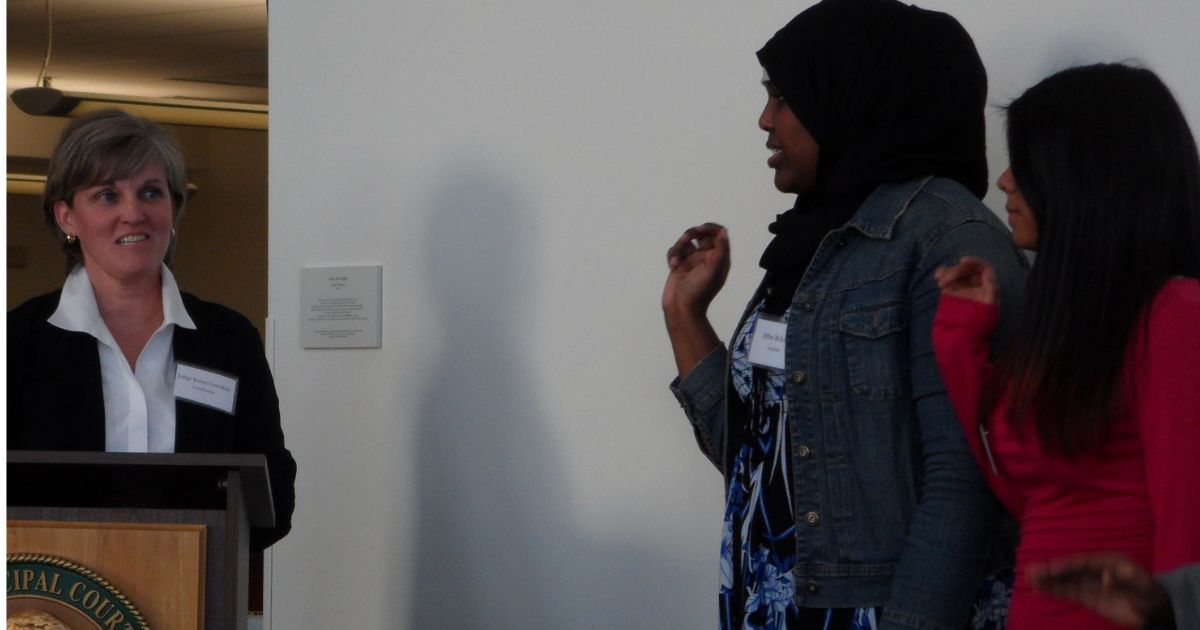
When Seattle Youth Traffic Court (SYTC) first came to life in 2012, it didn’t feel like the launch of something untested but rather the next chapter of a story that had already been unfolding for more than a decade. Its origins trace back to 2000, when Seattle University School of Law Professor Margaret Fisher first became deeply involved with youth courts nationwide.
Reflecting on that early period, she says, “My involvement with youth courts began in 2000 and provided the foundation for the creation of Seattle Youth Traffic Court.” Years of observing programs across the country taught her just how powerful youth-led accountability could be.
By 2011, Seattle University had introduced its Youth Initiative, and Fisher was given permission to develop a program that served the neighborhoods around campus. Around that same time, former SMC Judge Karen Donohue approached her with an idea sparked by a high school intern’s research: a court run by teens, focused on traffic cases. Fisher remembers that moment vividly. “That conversation became the catalyst for the Seattle Youth Traffic Court.”
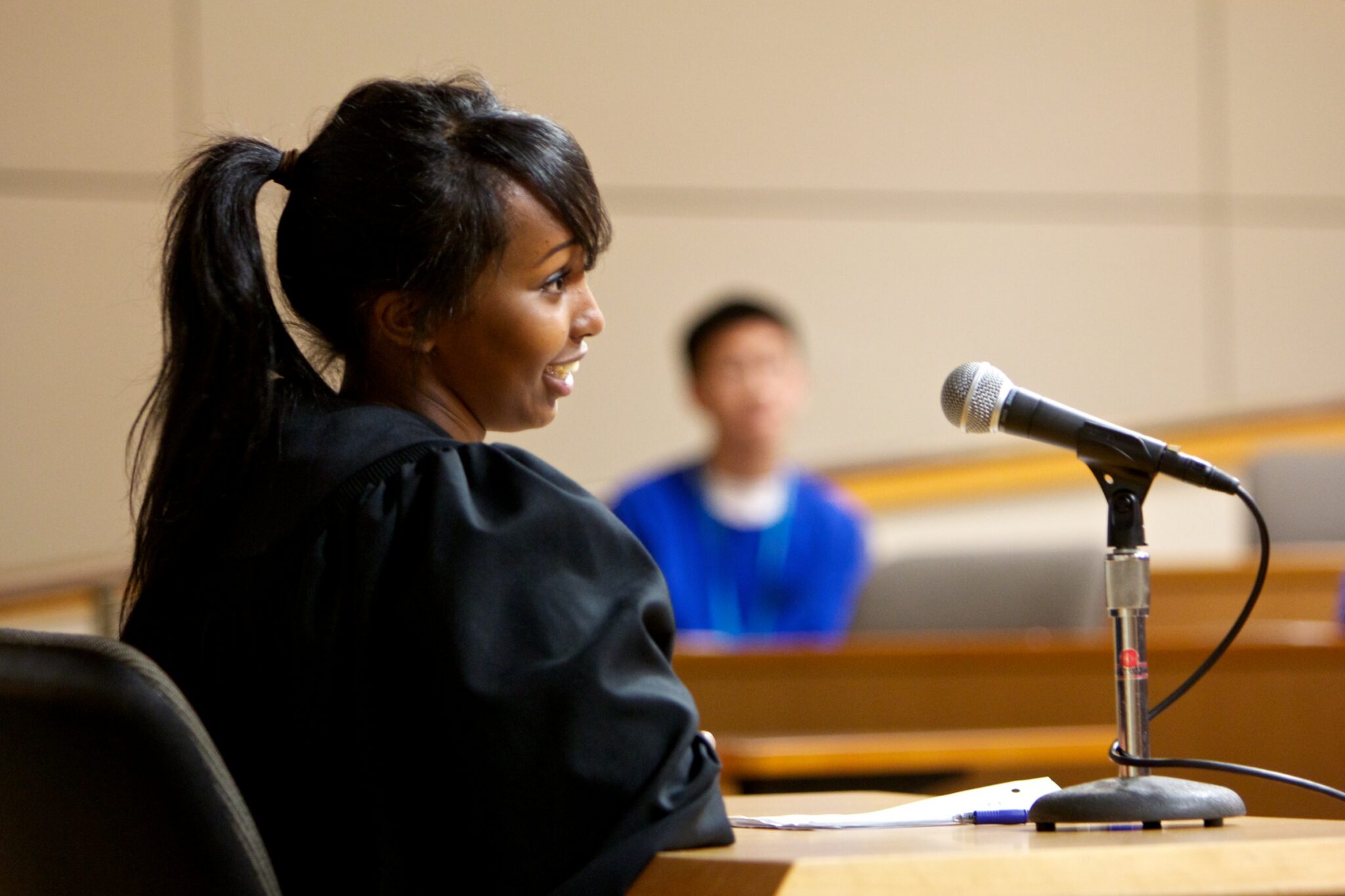
From the start, SYTC was built as a two‑school collaboration—Garfield High School students serving as the courtroom volunteers, and Seattle University law students developing the structure that made the hearings possible. Law students drafted the court’s earliest policies and forms, trained Garfield volunteers, prepared case materials, and kept the program running week after week. The partnership became one of the program’s defining features. Fisher recalls how she recruited students to shape almost every part of the new initiative: “Law students helped develop policies, procedures, forms, and training materials and assisted with case management and training.” Together, the two student groups formed a learning community—high schoolers stepping into courtroom roles, and law students guiding, supporting, and mentoring them through real legal processes.
Those early years carried both excitement and instability. Hearings moved from one university classroom to another, sometimes leaving students and families wandering hallways in search of the right location. A turning point arrived in 2013 when SMC offered two courtrooms for monthly hearings. “This move not only provided stability and legitimacy but also allowed us to double the number of cases we could hear,” Fisher says. The shift from borrowed classrooms to real courtrooms strengthened the partnership among all four core institutions—SMC, Seattle University School of Law, Garfield High School, and the Seattle Police Department.
Behind the scenes, the work was constant and often quiet. Court employee Simi Gill describes the rhythm that kept SYTC moving: “Good procedures, well‑written letters… excellent communication… staying organized, making sure each case is worked on from start to finish.” Her steady coordination provided continuity as high school volunteers graduated, and new law students took their place each year.
As SYTC matured, its model evolved. Early hearings mirrored traditional courtrooms, with student judges, prosecutors, and defense attorneys. Garfield students embraced those roles, but over time the program gradually experimented its way toward restorative justice circles, where every participant—including law students—joined the discussion. Fisher notes why this shift mattered so much: “The restorative justice circle has produced richer conversations and more individualized outcomes.” Law students continued to play a critical mentoring role, especially after the program shifted that responsibility to them from high school peers. Their investment helped ensure defendants received thoughtful guidance and consistent follow-up.
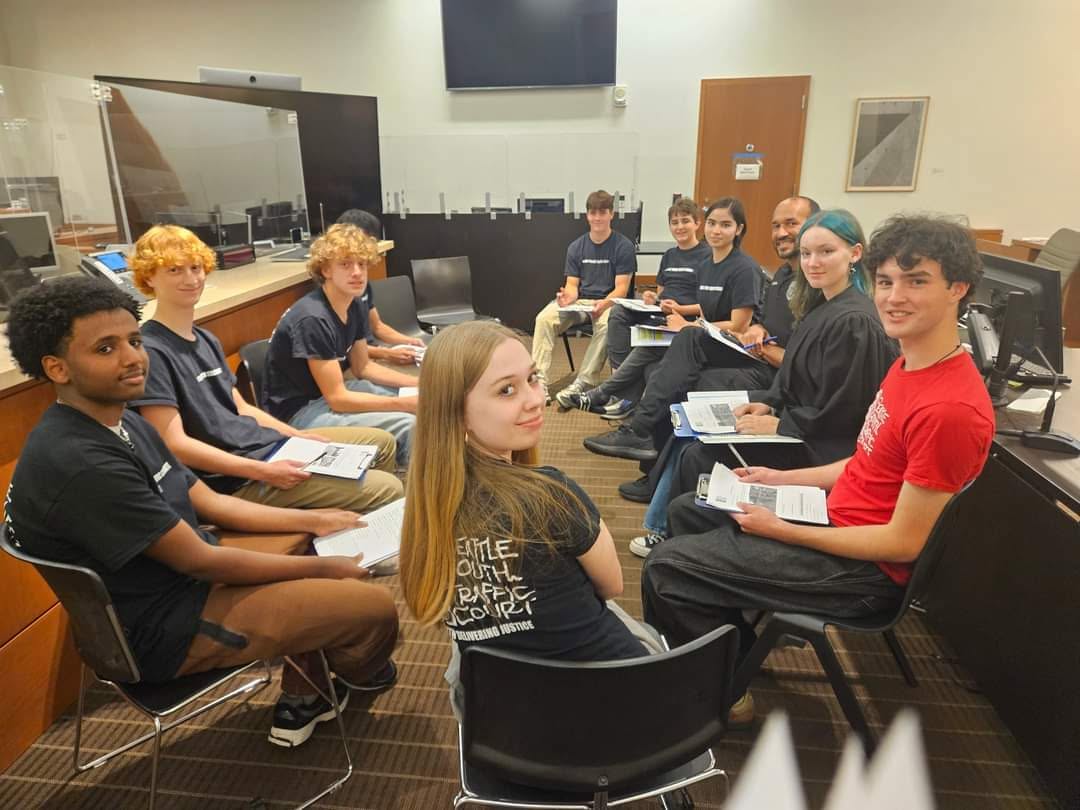
Judge Catherine McDowall, one of the program’s most dedicated judicial partners, has become a central part of this evolving story. “SYTC is one of my favorite parts of my job,” she says. “I enjoy interacting with teens and instilling the importance of civic duties at a young age.” Her enthusiasm has expanded the program’s reach, including efforts to bring the Seattle Department of Transportation into youth trainings to share a broader view of traffic safety.
Looking back, the history of SYTC is a story of collaboration across ages, institutions, and expertise. Fisher reflects on what the court’s longevity reveals: “The success of Seattle Youth Traffic Court demonstrates that young people are fully capable of assuming meaningful responsibility within the justice system.” Fourteen years of partnership between law students, high school students, and civic leaders have built a model of justice that is restorative, enduring, and deeply educational—year after year, cohort after cohort.
Editor’s Note: Twenty-five Garfield High School students are a part of the 2026-27 SYTC cohort. The majority of them were sworn in for their duties in Oct. 19.