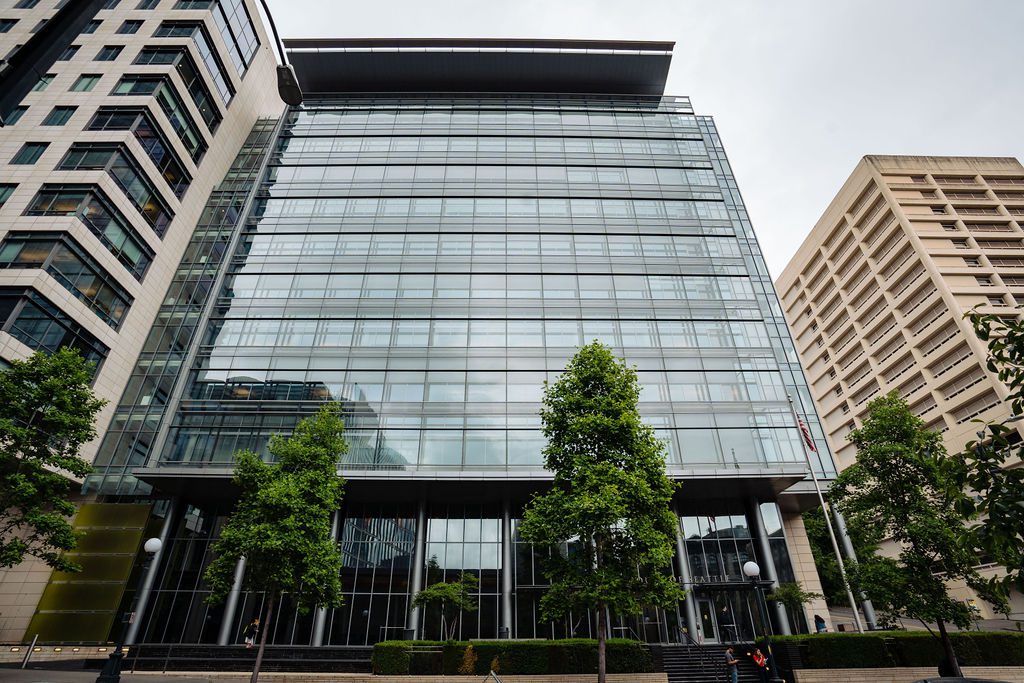
This post is the first in a 12-part series called “From the Archives” which explores different themes in the court’s history—highlighting how the work, the people, and the spaces have evolved over time.
Historical Context
The Seattle Municipal Court has been part of the City of Seattle’s civic infrastructure for well over a century. Established in 1891 as a court of limited jurisdiction, it evolved from the earlier Seattle Police Court and has long been responsible for handling misdemeanors, gross misdemeanors, civil offenses, and infractions within city limits.
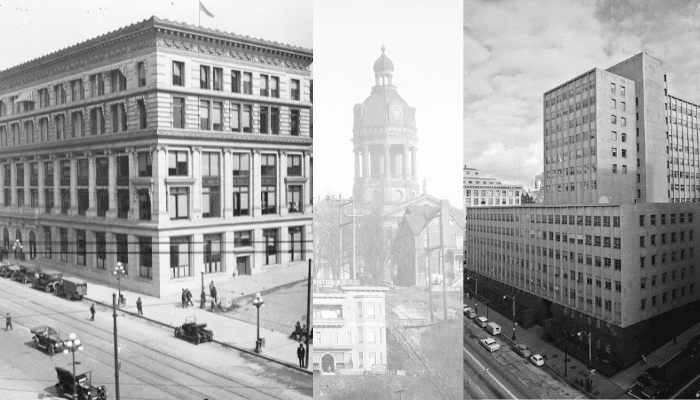
Over time, the court has adapted—through structural changes, shifting responsibilities, and the steady modernization of how justice is administered.
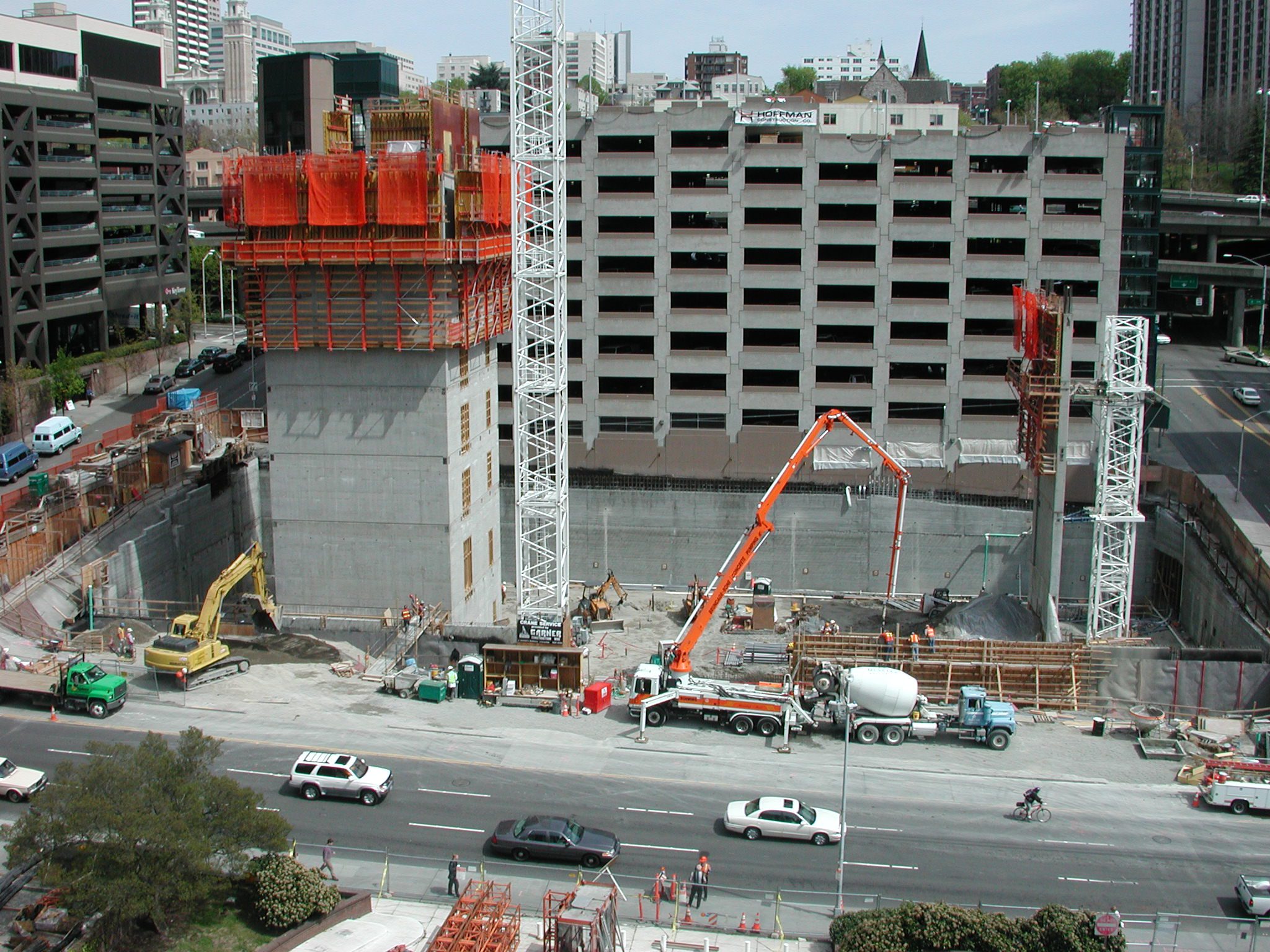
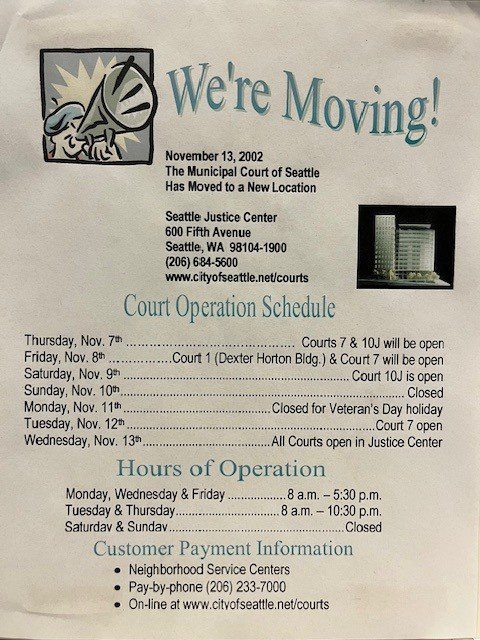
In 2002, that evolution became visible in a new way.
The move into a new building wasn’t just a facilities upgrade. It was part of a much longer story—one that continues to shape how the work feels day to day.
For some, it marked the end of an era. For others, it was how their time at the court began.
Public Services Manager Cynthia Davis, who started with the court in 1989, experienced the move with more than a decade of history behind her. Infractions Division Manager Jerry Stein, by contrast, had joined just six months earlier, in May 2002.
Same move. Very different vantage points.
What Was Happening Then
Before anything felt new, there was a lot of detailed work to get there.
“We had to label everything,” Cynthia recalled, including desks, equipment, and personal items, each tied to a system so movers could place it exactly where it belonged.
Departments were mapped out in advance, followed by the long process of unpacking.
For Jerry, the move came almost immediately after he did. “By the way, we’re moving in six months—and you’re on a committee,” he said, describing how quickly he was pulled into planning alongside managers and directors.
At the same time, there was a parallel effort underway, including thinking through how workflows and teams might function differently in a new space.
What Changed Over Time
The contrast between buildings was immediate. The old Public Safety Building was cramped and aging. The new building felt modern and open; it was designed with intention.
But the more meaningful changes showed up in how people experienced their work.
Teams that had once been scattered—even across different buildings—were now together. That improved coordination and access but also shifted day-to-day dynamics.
There were trade-offs. Not every space had windows, and some areas felt more enclosed than before. At the same time, the court made deliberate choices about where space and experience would matter most.
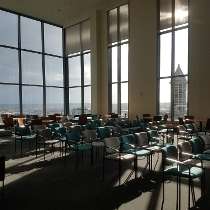
One of those choices stands out: the Jury Assembly Room. “They put the jurors in the best seat in the house,” Jerry noted.
Located on the 12th floor, the space offers expansive windows, views, and room to breathe—details that both staff and visitors noticed. It reflected a shift in how the court approached the public experience.
Over time, the building continued to evolve alongside the work. Reorganizations and the COVID-19 pandemic reshaped teams, and eventually technology changed how space was used. Courtrooms that once required full waiting areas now operate with fewer people physically present and greater reliance on virtual access.
What Endures
Looking back, the move wasn’t just about space—it was about adjustment.
Whether arriving with years of experience or just getting started, staff adapted. They figured out new layouts, workflows, and ways of working together.
Because while buildings change—and keep changing—the responsibility at the center of the work does not.